Wittgenstein, played
Seven of Ludwig Wittgenstein's ideas, from his first book to his last notes. Each one is a short game: you do the thing the idea is about, then read what he wrote.
Free. No account: your progress stays in this browser.
The path, early to late · start anywhere
 1Pictures of factsTractatusA sentence pictures a possible fact: true if things stand as it shows, false if not.
 2The buildersInvestigations §§1–21Words get their meaning inside an activity: four words can be a complete language.
 3Meaning is useInvestigations §§23–43For a large class of cases, the meaning of a word is its use in the language.
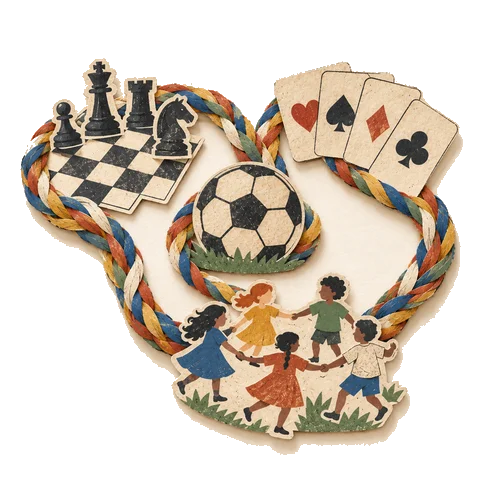 4Family resemblanceInvestigations §§65–77Many concepts hang together by overlapping similarities, like a family, not by one shared essence.
 5Following a ruleInvestigations §§185–242Examples and explanations never fix a rule on their own; following a rule is a practice.
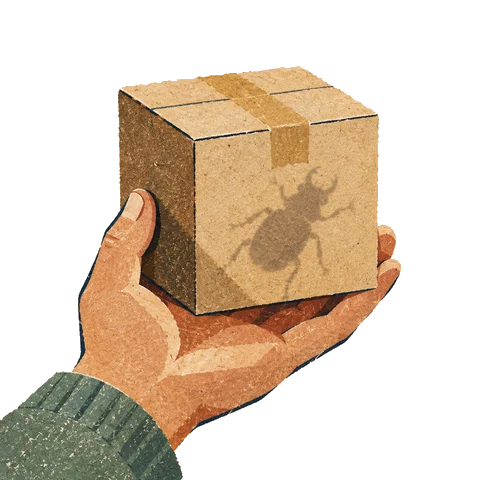 6The beetle in the boxInvestigations §§243–315Words for sensations do not get their meaning by naming private objects.
 7Hinges of certaintyOn CertaintyOur doubts and checks turn on certainties that stand fast, like hinges; and what stands fast can shift.
How each game works
1
Play
You do the thing the idea is about: fetch stones for a builder, set up a stage, teach a pupil a rule, talk about beetles in boxes.
2
Read
Each session ends with the passage it comes from, quoted with its section number, and a plain reading of it.
3
See where it stops
Every game is an analogy. We say where it stops, so the game never stands in for what Wittgenstein wrote.